
Your home is likely one of the biggest investments you’ll ever make. Protecting it with the right insurance is crucial, but many homeowners wonder if their roof is covered. After all, the roof shields the home from weather, and repairs can be costly. In this guide, we’ll explain how home insurance handles roof coverage, what types of damage are included, and what steps you should take to ensure your roof is protected.
Understanding Homeowners Insurance
It is useful to learn the fundamentals of homeowners insurance before getting into the roof coverage.
What Homeowners Insurance Typically Covers
Homeowners insurance is the type of insurance that helps you cover your home and other possessions in the case of some unexpected circumstances.
A typical policy typically consists of:
Dwelling coverage: This is an insurance covering the physical structure of your house and it includes walls, roof and foundation.
Personal property coverage: This covers items within the house such as furniture, appliances and electronics.
Liability coverage: Liability coverage will offer financial security in case of an accident that happens on your premises.
Additional living expenses (ALE): Covers temporary accommodation in case your home is rendered to be inhabitable because of damages.
Roof normally falls under the dwelling cover section, although not all the types of damages are automatically covered.
How Roof Damage is Covered
Home insurance would cover the damage to the roof but it varies with the kind of damage and the terms of your policy.
Covered Events
Roof damages as a result of sudden and accidental events are normally covered by insurance policies.
Some of the common covered events are:
Storm damage: Hail, windstorms or heavy rain which damages.
Fire: Fire that gets at your house structure, including the roof.
Falling objects: Trees or branches that strike the roof.
Vandalism: Damage committed by other persons.
The standard coverage can also cover repairs or replacement of the damage caused by these events.
Excluded Events
The damage is not always covered.
Common exclusions include:
Wear and tear: Age or wear and tear.
Neglect: Overlooking minor issues that aggravate.
Floods or earthquakes: They are usually to be covered by different policies.
Maintenance is also very important since an insurer can reject a claim on a roof that has been left in poor conditions.
Roof Age and Insurance Claims
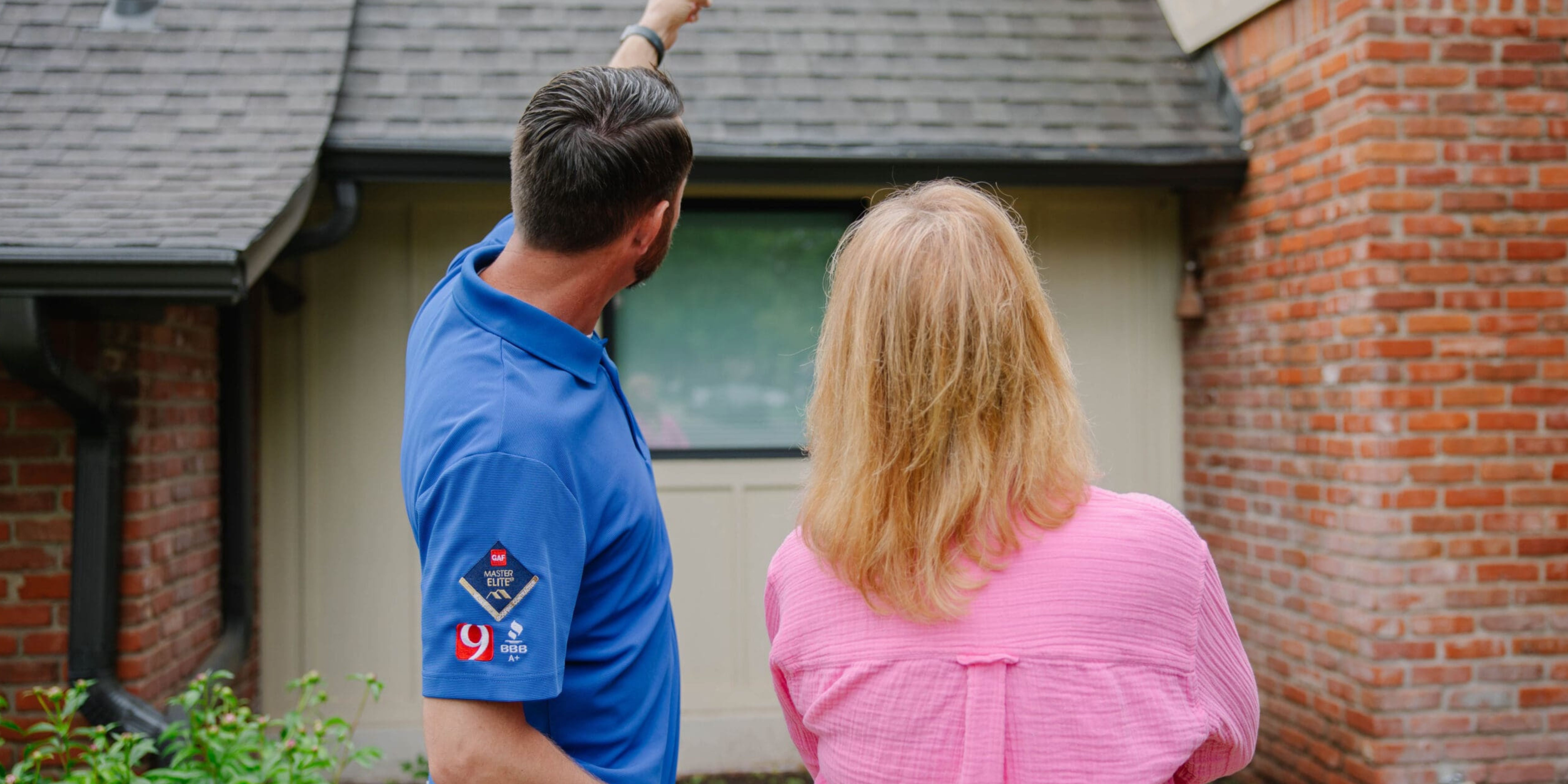
The coverage is strongly dependent on the age of your roof.
How Age Affects Coverage
Insurance companies typically differentiate between replacement cost and actual cash value (ACV):
Replacement Cost: This one pays full value to fix or replace the roof with another of equal quality.
Actual Cash Value: It compensates the replacement value minus depreciation due to age and wear.
Newer roofs are more apt to be covered at replacement cost whereas older roofs may only be covered at ACV which can be way less than the cost of a new roof.
Typical Roof Lifespan
The anticipated life of your roof will allow you to know about the possible coverage restrictions:
Asphalt shingles: 20-30 years
Wood shingles: 25-30 years
Metal roofs: 40-70 years
Tile roofs: 50+ years
In case your roof is at the end of its life, the insurers can lower cover or demand partial replacement and then issue a policy.
Filing a Roof Insurance Claim
Understanding the claims process makes it easier to handle roof damage.
Steps to File a Claim
Record the damage: Take pictures or video of the damage prior to the repairs.
Check your policy: Review the kinds of events and cover.
Call your insurance company: Inform them in time.
Arrange an inspection: An adjuster can come and inspect damage.
Get repair estimates: Get the quotes of licensed roofing contractors.
Payment: You can receive payment or have the contractor receive payment depending on your policy.
Tips for a Successful Claim
Damage reports quickly: Delays may lead to rejected claims.
Retain receipts: When repairing temporarily or doing a checkup.
Know your deductible: It is a requirement in most policies that you pay a certain amount before coverage is extended.
Types of Roof Damage and Coverage
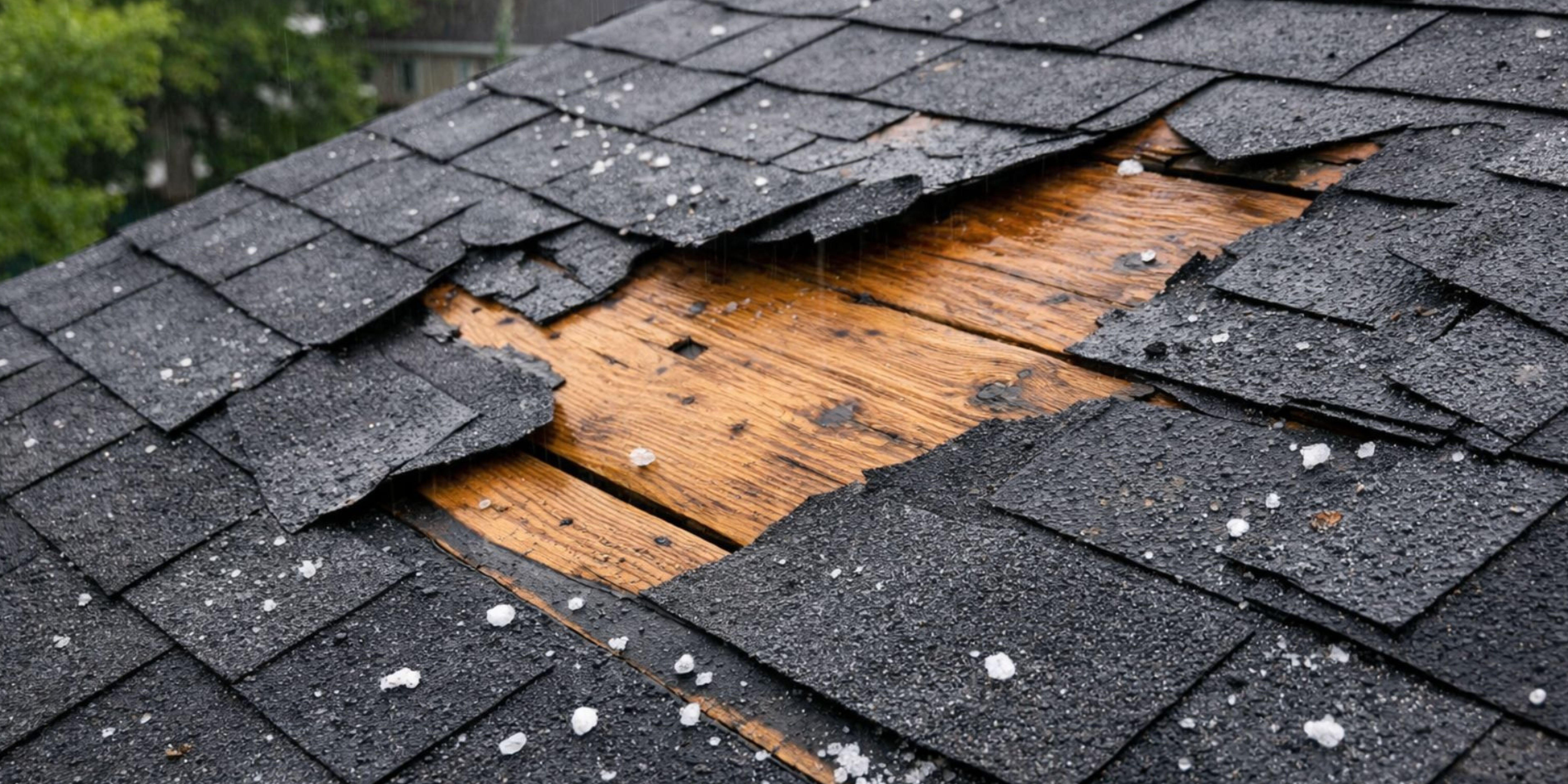
Insurance companies do not handle all damage to roofs equally.
Storm Damage
One of the causes of roof claims is storms.
Hail and high winds can cause:
- Shingle loss or breakage
- Leaks in the roof
- Destruction of gutters and down spouts.
Damage caused by storms is normally compensated when it is sudden and accidental.
Fire Damage
Fire, be it lightning or otherwise, is usually covered. Destruction brought about by smoke or water in firefighting is generally added as well.
Wear and Tear
Normal wear and tear or absence of maintenance is normally not included.
Examples include:
- Shingles that peel or curl as they age.
- Small ruptures, which become more severe with time.
- Insurance requires the homeowner to take care of the roof to avoid the degradation.
Mold and Rot
Mold and rot are generally excluded unless directly caused by a covered event. For instance, water damage from a storm may be covered, but mold from a slow leak due to an old roof is usually not.
Optional Roof Coverage
Other insurers provide extra coverage to extend roof cover.
Roof Endorsements
Coverage can be enhanced by endorsements or riders to:
- Roofs older than 20 years.
- Certainly materials, such as slate or tile.
- Long replacement cost out of the ordinary.
Maintenance Incentives
Conducting frequent roof checkups and repairs can also entitle the owner of homes to discounts or avoid claims on cover in case of damage.
Preventing Roof Damage
Insurance is a way of protection but always prevention is better than cure.
Frequent inspections: Inspect shingles, flashing, and gutters at least twice a year.
Clean gutters: It helps to avoid stagnant water that may destroy shingles and fascia.
Trim trees: This prevents branches falling on the roof during storms.
Repair minor issues: Repair holes in the roof or absent shingles immediately.
Insurance premiums can also be maintained at a lower level with the help of preventive maintenance.
When Home Insurance May Not Cover Your Roof
Sometimes your regular homeowner’s policy may not cover roof damages:
Flooding: Flood damage is not a general standard policy.
Earthquakes: Will need a different policy or endorsement.
Missing or delayed maintenance: Insurance will not cover damages that were as a result of not doing the repairs.
In such situations, you might require more cover or independent policies in order to cover your investment in totality.
Key Takeaways
Understanding how insurance covers your roof can save time, money, and stress:
- Home insurance normally includes the unexpected roof damage caused by storms, fire, falling objects, or vandalism.
- Usually not included are wear and tear, neglect and some natural calamities.
- The age of the roof will determine the coverage of replacement cost or actual cash value.
- Frequent repairs and check-ups ensure that no damage is caused and claims made easily.
- Roof protection can be improved by optional endorsements or other policies in case of necessity.



